

Foam concrete, also known as autoclaved aerated concrete, is a versatile construction material and is widely used in the construction industry today. Developed since the 1920s, this type of concrete has undergone many technological improvements, contributing to expanding the scope of application in modern construction projects, especially green and sustainable buildings.
History and Outstanding Features of Foam Concrete
Foam concrete is not a new invention. The first patent documents for this type of concrete appeared in the 1920s. By 1987, in the UK, a large-scale trial of using foam concrete to reconstruct road grooves was carried out. The success of this test has confirmed the potential of foam concrete in construction, and has since then been widely used in many different projects.
Properties and ingredients:
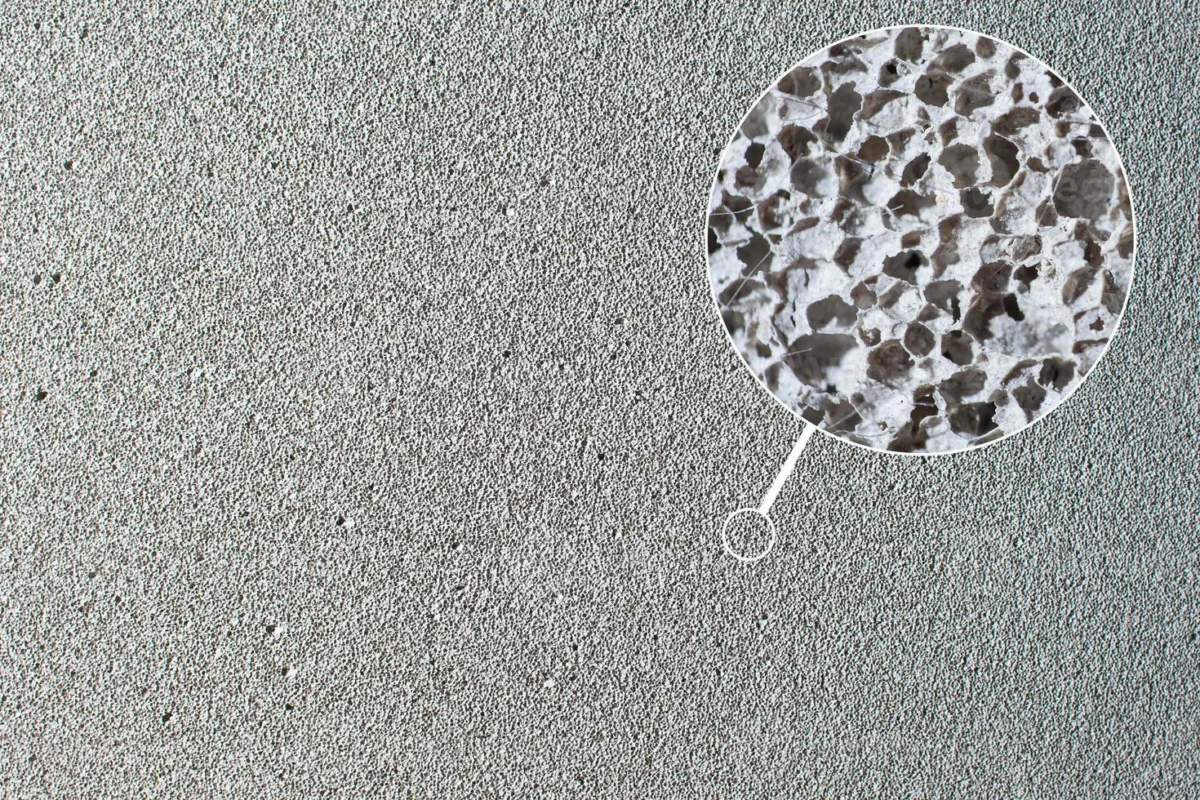
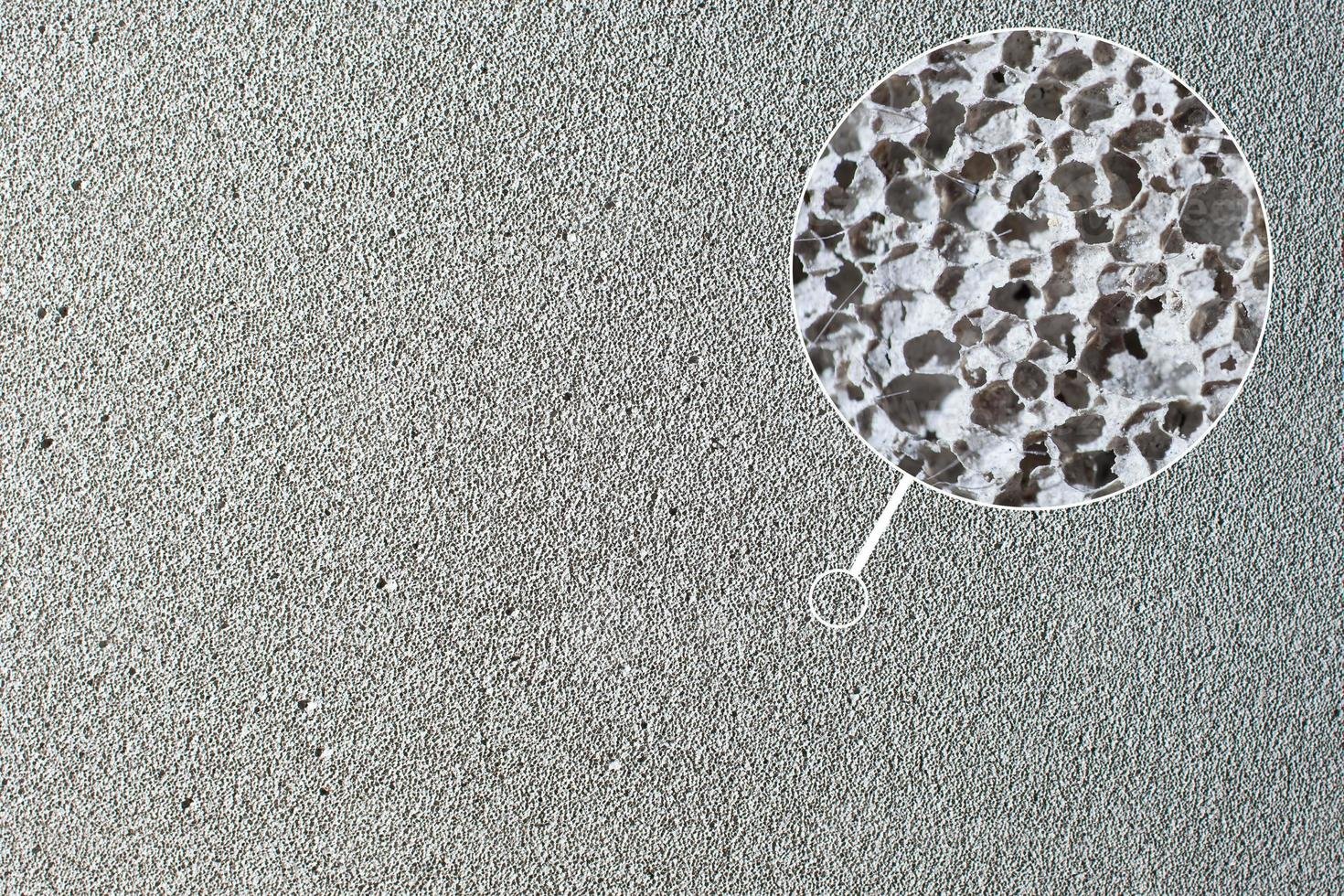
Foam concrete contains from 40% to 80% air, with air bubble sizes ranging from 0.1 mm to 1.5 mm. This type of concrete does not require compression, easily flows through pump pipes, fills irregular gaps, and can be pumped to high locations or long distances.
Compressive strength and mass:
The 28-day compressive strength of foam concrete ranges from 1 to 10 N/mm², while the dry mass varies from 400 to 1600 kg/m³, depending on the composition. The commonly used compressive strength is 4 N/mm², with a density in the plastic state of about 150 to 200 kg/m³.
Main ingredients:
Portland cement according to BS 12:1996 standards is the main binder, often combined with fly ash or fine sand. In addition, waste materials such as granite dust or small-sized waste can also be used to optimize costs.
Practical Applications of Foam Concrete
Over the past decade, foam concrete has proven its effectiveness in many applications in the UK and other countries:
• Fill Empty Space: Foam concrete is the ideal solution for filling voids such as basements, wells, or tanks, thanks to its ability to flow flexibly and fill irregular areas.
• Re-Groove Line: With good load distribution and no need for compression, foam concrete is commonly used in road surface improvement, helping to save time and costs.
• Ground Stabilization: In construction projects that require stable ground, such as embankment slopes or precast structures, foam concrete maximizes its load-bearing properties and minimizes subsidence.
• Heat and Sound Insulation: Thanks to its air bubble structure, foam concrete provides outstanding heat and sound insulation, creating a quiet living environment and saving energy for cooling and heating systems.
• Application in roof and wall: Foam concrete is used to create effective insulation and waterproofing for roofs and walls, suitable for projects that need to reduce structural loads.
Benefits of Using Foam Concrete
Foam concrete brings many significant benefits in today's construction industry:
• Quick Construction: Does not require complicated compression equipment, can be easily pumped directly into the project, helping to save time and labor costs.
• Heat and Sound Insulation Features: Minimize noise and keep temperature stable, improving the quality of living space.
• Reduce Material Costs: Thanks to its light weight and good thermal insulation, foam concrete helps optimize construction costs and reduce material usage.
• High Flexibility: Can be applied in many different types of projects, from civil to industrial.
Conclude
Foam concrete is not only a construction material but also a solution to help improve the quality and efficiency of projects. With heat insulation, sound insulation, waterproofing and flexible construction, foam concrete brings sustainable value to modern projects. Investing in foam concrete is investing in the future of the construction industry and the living environment.