

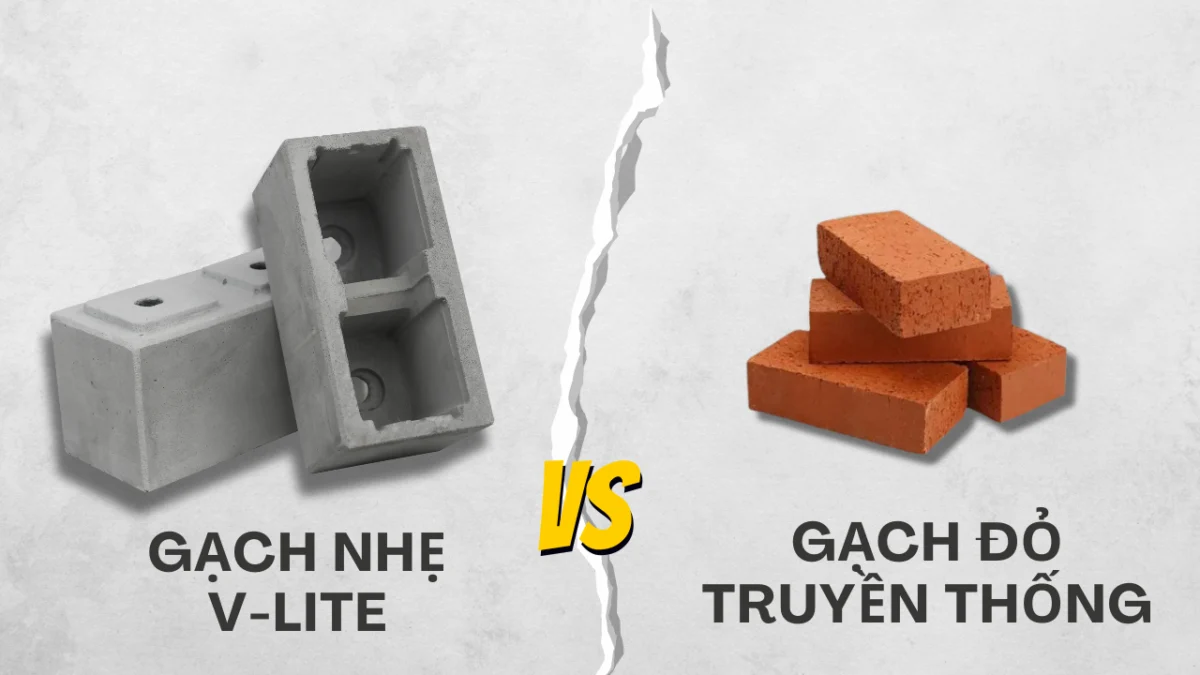
In the context of the construction industry increasingly under pressure from costs and work Royalties tax on land for making bricks is imposed at 15%. is creating a significant boost to the cost of traditional red brick production. This opens up great opportunities for V-Lite lightweight concrete bricks – a solution that does not burn, does not exploit natural resources, increasingly proving its outstanding competitiveness.
The resource tax in Vietnam is clearly regulated to properly manage and exploit natural resources, including land used as raw materials for traditional fired brick production. Natural resources tax is a state budget revenue for resource exploitation activities carried out by organizations and individuals, with the tax price based on the selling price of natural resources products excluding VAT and not lower than the price prescribed by the Provincial People's Committee.
Tax pressure causes red brick prices to increase
According to Resolution 1084/2015/UBTVQH13, the natural resources tax rate schedule is issued with specific tax rates for each type of resource. In particular, land for making bricks is subject to a resource tax of up to 15%, much higher than other types of land such as land exploited for leveling and construction, which is only 7%.
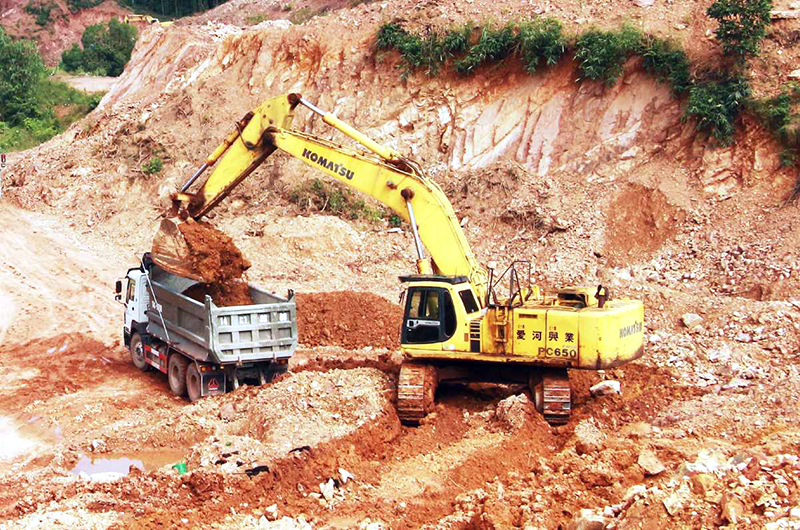
The application of a 15% resource tax on brick-making land has a direct impact on the cost of traditional fired brick production. Because land for making bricks is the main raw material, this tax increases the input costs of brick manufacturing businesses. When raw material costs increase, the cost of fired brick products will also increase, leading to an increase in the selling price of traditional fired bricks.
For example, in Bac Giang province, many traditional brick factories are having difficulty exploiting clay materials due to having to pay natural resources taxes and related costs such as environmental protection fees and mining rights fees. Some businesses that do not have a mining license have to buy raw material land from unclear sources or exploit illegally to reduce costs, but still have to pay a 15% resource tax on brick-making land. This increases product prices and affects the competitiveness of traditional fired bricks in the market4.
Specifically, Thanh Nhan Brick Company Limited produces about 15 million bricks per year, using more than 7,500 m3 of raw land. With a 15% resource tax on brick-making land, raw material costs increase significantly, forcing businesses to adjust brick selling prices to offset resource tax costs. A similar situation also occurs with many other fired brick production facilities in Bac Giang.
Meanwhile, the price of raw land is increasing, combined with the costs of transportation, kilns, labor... causing the price of red bricks to increase significantly. This especially affects small-scale contractors and civil works that require cost savings.
V-Lite bricks – Not affected by resource taxes
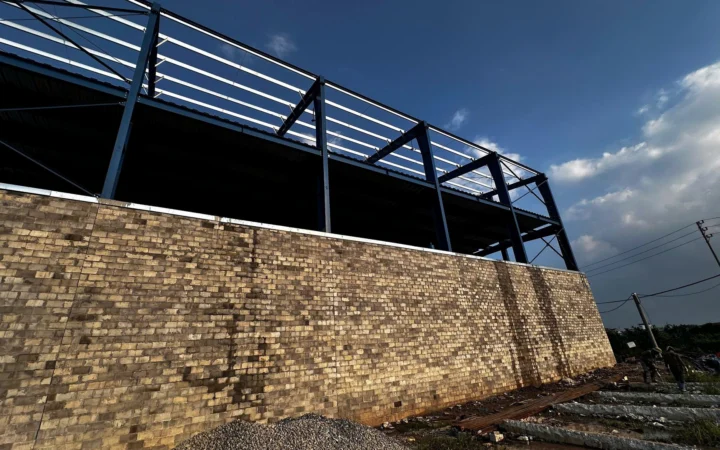
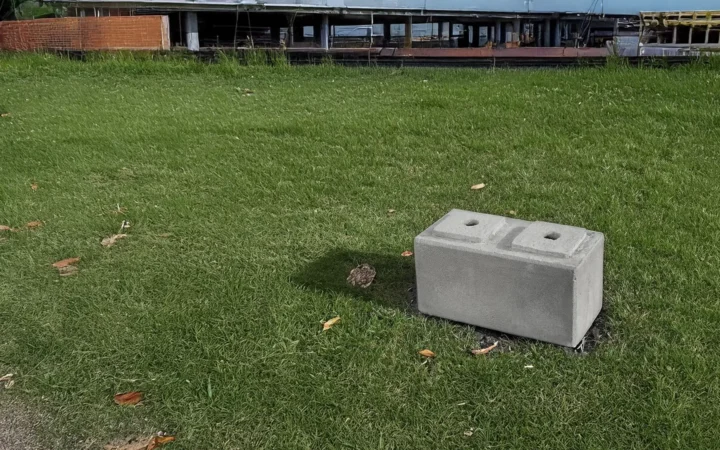
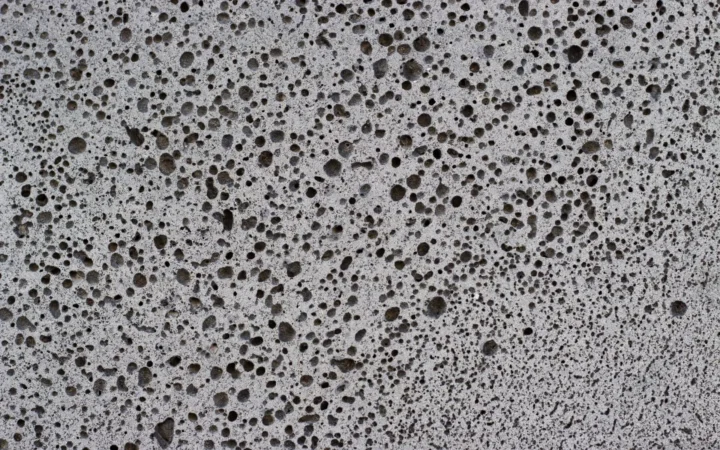
V-Lite Brick is kind Unburnt lightweight foam concrete bricks, produced from cement, fine sand, water and foaming agent. The production process does not exploit clay - not subject to natural resources tax - so is completely unaffected by changes in natural resource tax policies.
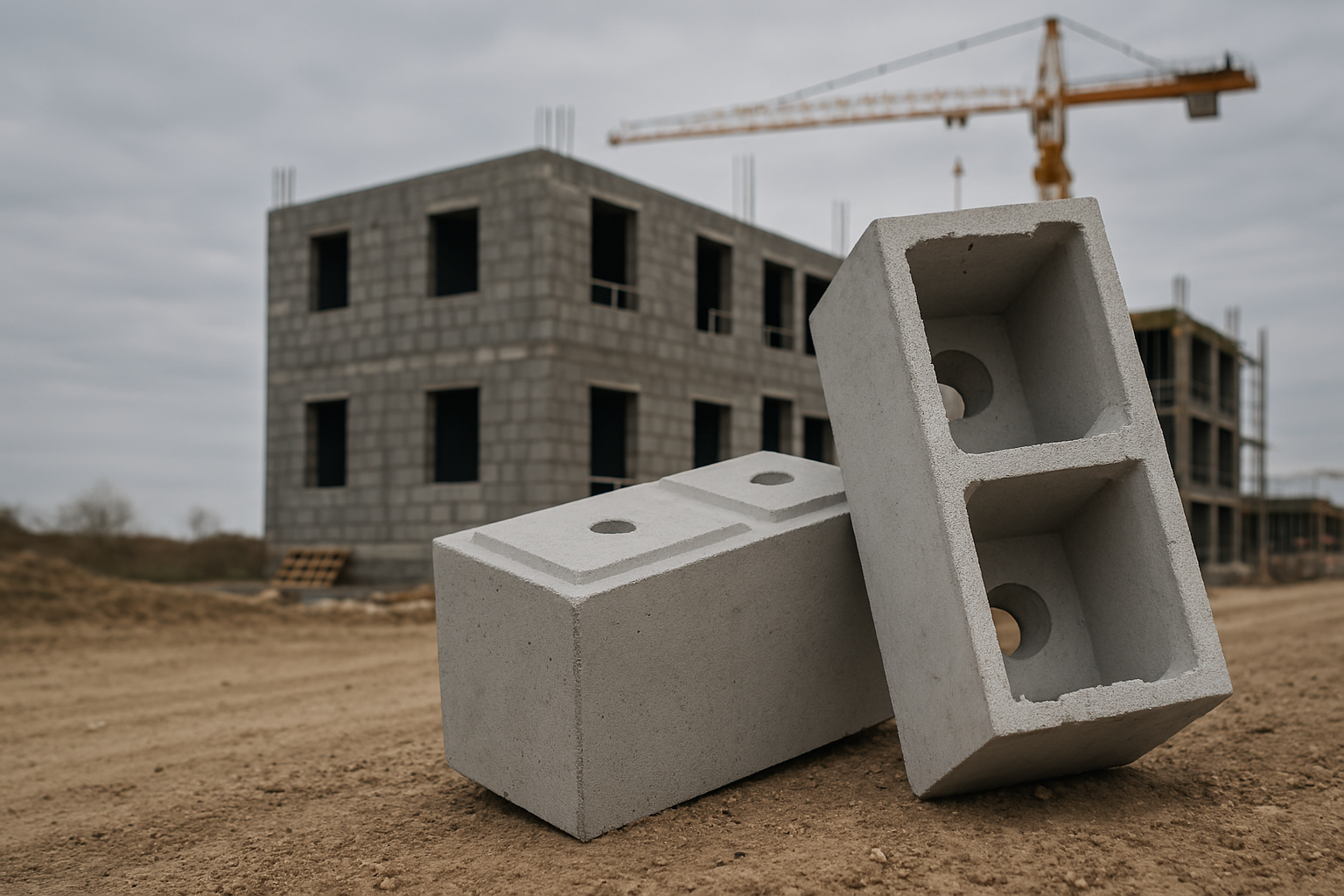
In addition, V-Lite also brings obvious benefits:
- 50% lighter than red bricks, helps reduce the load on foundations and structures
- Outstanding sound and heat insulation, reducing electricity and air conditioning costs
- Fast construction thanks to self-locking design, saving labor costs and time
- No plastering needed, just need thin bait to complete
The economic problem is clear for investors
During that time Red brick prices are at risk of continuing to increase Due to increasingly tightening policies to control resource exploitation and tax rates, choosing alternative materials such as V-Lite tiles is a reasonable step. Not only does it save overall construction costs, V-Lite is also consistent with modern construction trends: fast - light - effective.
Conclude
With work Royalties tax up to 15% For land used to make bricks, traditional red bricks are gradually losing their cost advantage. Meanwhile, V-Lite tiles emerge as a smart economic choice, both meeting technical requirements and reducing the overall cost of the project. This is the right time for investors and contractors to switch to smarter - friendlier - and more effective lightweight brick solutions.