

Foam concrete is increasingly widely used in the construction industry thanks to its unique properties such as light weight, heat and sound insulation, and environmental friendliness. This is the ideal material for projects that require high durability, cost efficiency and sustainability.
What is Foam Concrete?
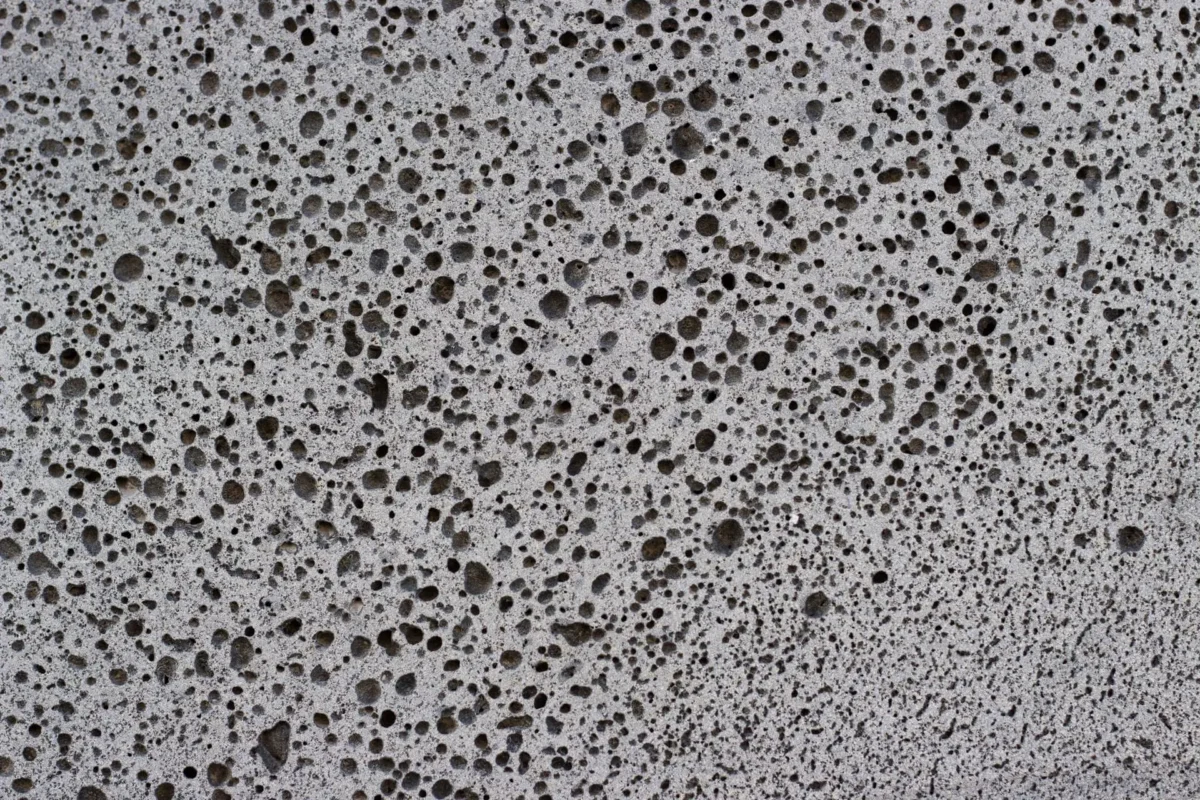
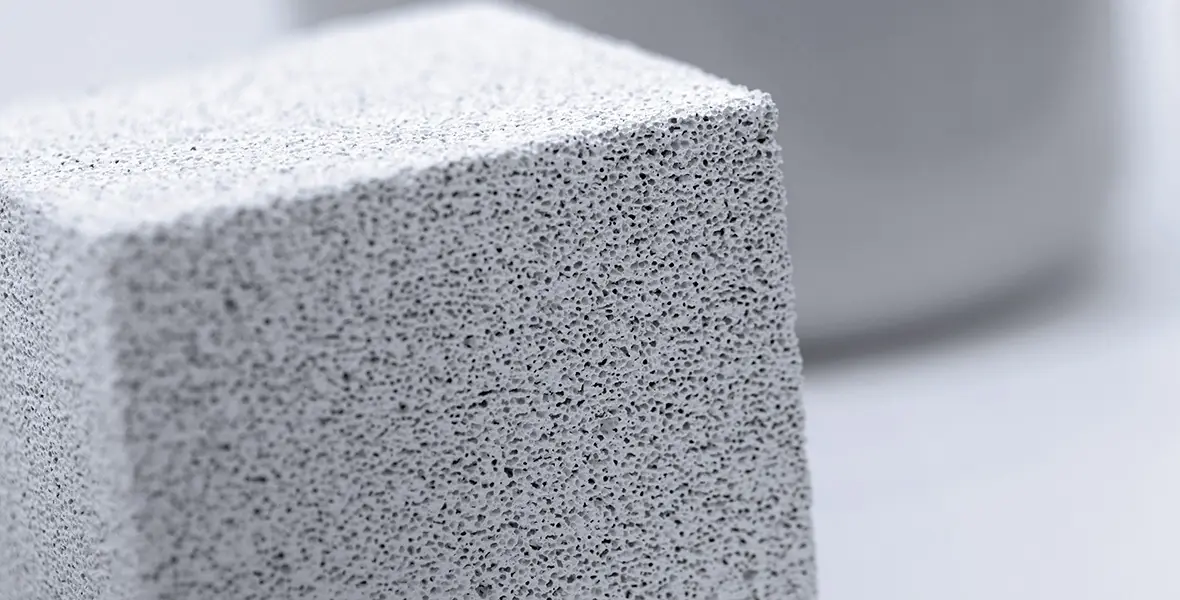
Foam concrete is a type of lightweight concrete in which air bubbles are present 20% to 85% volume, helping to reduce material density (300–1600 kg/m³). Air bubbles are created from a foaming agent and mixed with a mixture of cement, sand and water. Unlike conventional concrete, foam concrete does not contain large aggregates, creating a uniform material that is easy to construct and environmentally friendly.
Main Ingredients of Foam Concrete
1. Cement (Binder):
- Usually use ordinary Portland cement, quick-setting cement or alumina cement.
- Cement concentration accounts for 25%–100% of the mixture, helping to ensure durability and adhesion.
2. Water:
- Clean water; ensure the stability of the mixture.
3. Foaming Agent:
- Synthetic or protein foaming agents help control the rate of air bubbles, affecting the durability and performance of foam concrete.
4. Filler:
- Includes fine sand, fly ash, limestone powder or blast furnace slag, which increases durability and reduces costs.
5. Additives:
- Plasticizers, waterproofing agents and other stabilizers enhance stability and waterproofing.
6. Gia Cuong Fiber:
- Polypropylene fibers, glass fibers or steel fibers are added to enhance tensile strength and reduce cracking.
Production Method
1. Pre-Foam Method:
- Create separate foam then mix into the cement mixture. This method is suitable for small projects but easily loses volume during transportation.
2. Inline Method:
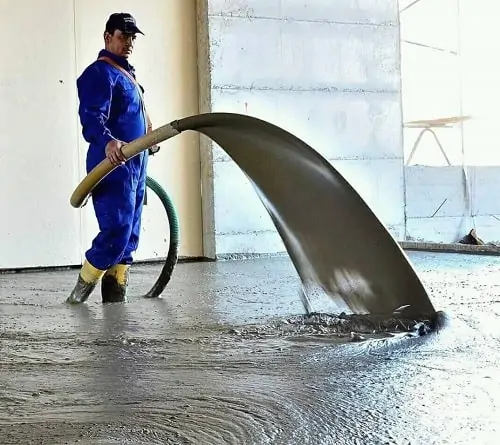
- Using the foam generator and pump at the same time, create a homogeneous mixture and easily adjust the density of air bubbles. This method is more popular because of its high efficiency and cost savings.
Advantages of Foam Concrete
1. Light Weight:
- Reduces load on foundations and structures and makes construction easier.
2. Good Heat and Sound Insulation:
- Thanks to its structure containing many air bubbles, foam concrete helps reduce heat and sound transmission.
3. Fire Resistance:
- It is a non-flammable material, helping to increase the safety of the project.
4. Flexibility in Construction:
- No compaction required, easily injected into voids or complex molds.
5. Environmentally Friendly:
- Reduced CO₂ emissions thanks to the use of recycled aggregates and lower cement content.
6. Long Life:
- Does not decompose, can maintain quality for a long time like natural materials.
Disadvantages of Foam Concrete
1. Reduce Intensity When Density Reduces:
- Mixtures with low density generally have lower compressive and flexural strengths.
2. High Shrinkage:
- Due to the lack of large aggregates, foam concrete tends to shrink more than regular concrete.
3. Longer Mixing Time:
- Longer time is needed to ensure a homogeneous mixture.
4. Higher Costs (In Some Cases):
- The cost is higher due to the need for more cement compared to conventional concrete.
Applications of Foam Concrete
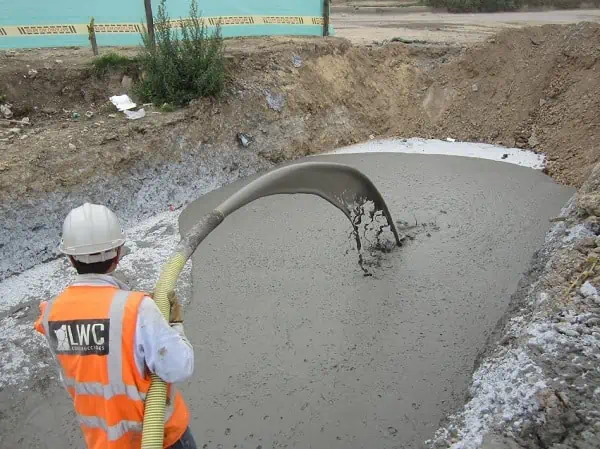
1. Fill the Gap:
- Use to fill empty spaces such as sewers, basements, and tanks.
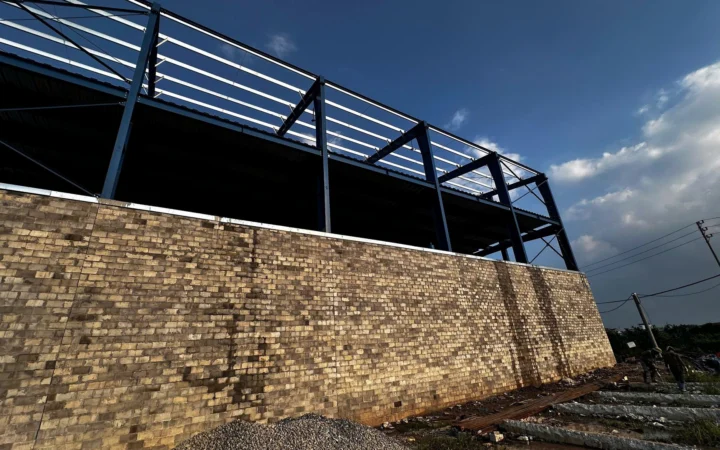
2. Enclosing Walls, Partitions:
- Used in construction of civil and industrial projects.
3. Light Floor:
- Ideal for high-rise buildings to reduce load.
4. Fireproof and Heat Insulation:
- Used as insulation and fireproofing for buildings and factories.
5. Road Construction:
- Used as road base, tunnel improvement, or leveling.
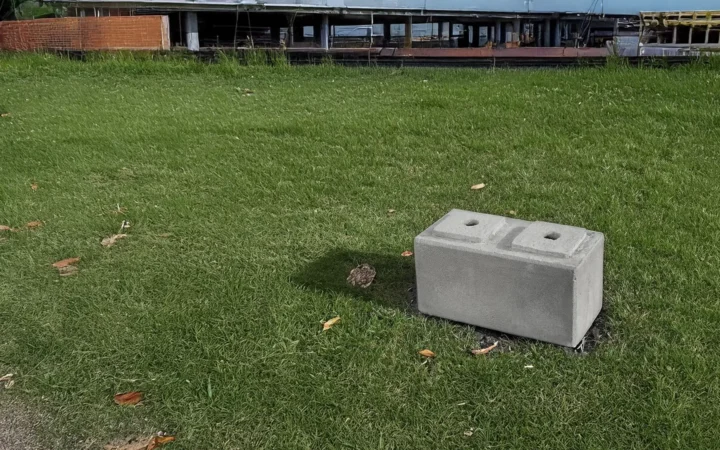
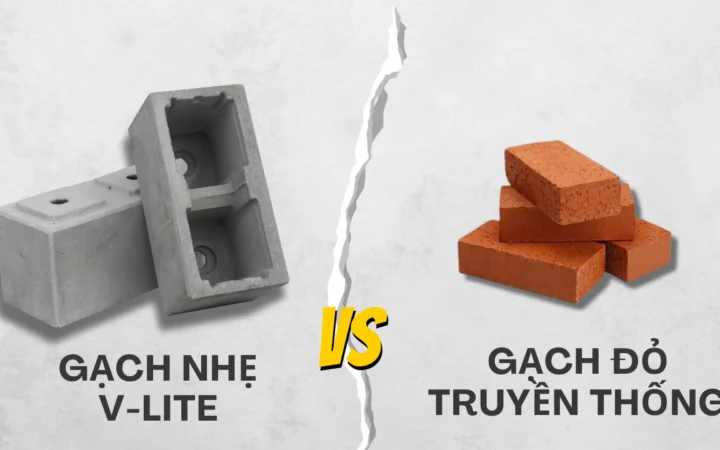
6. Prefabricated Block:
- Production of panels, building blocks or prefabricated structures.
Conclude
Foam concrete, with its outstanding advantages of light weight, heat insulation, sound insulation, and environmental friendliness, is gradually becoming a modern construction material trend. Despite some limitations, with its diverse applications and innovative possibilities, foam concrete is the ideal solution for sustainable and cost-effective construction.