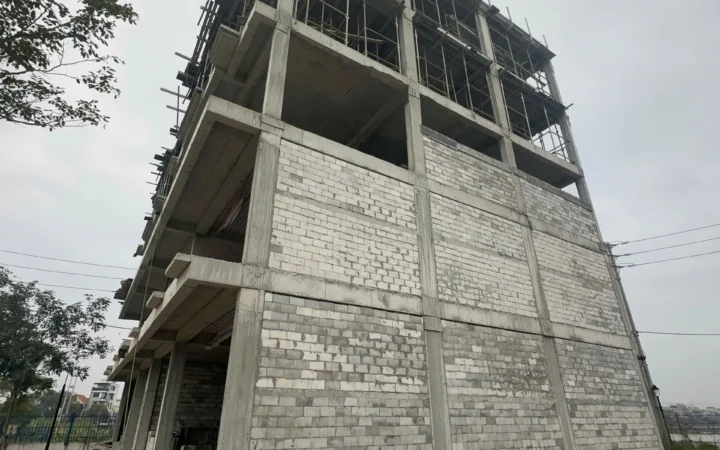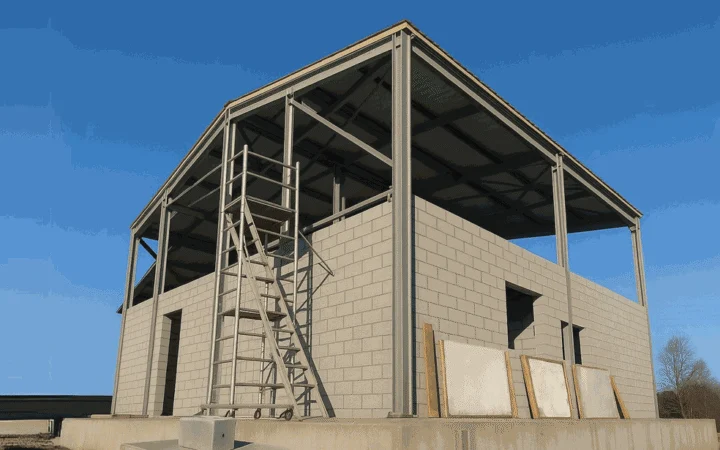


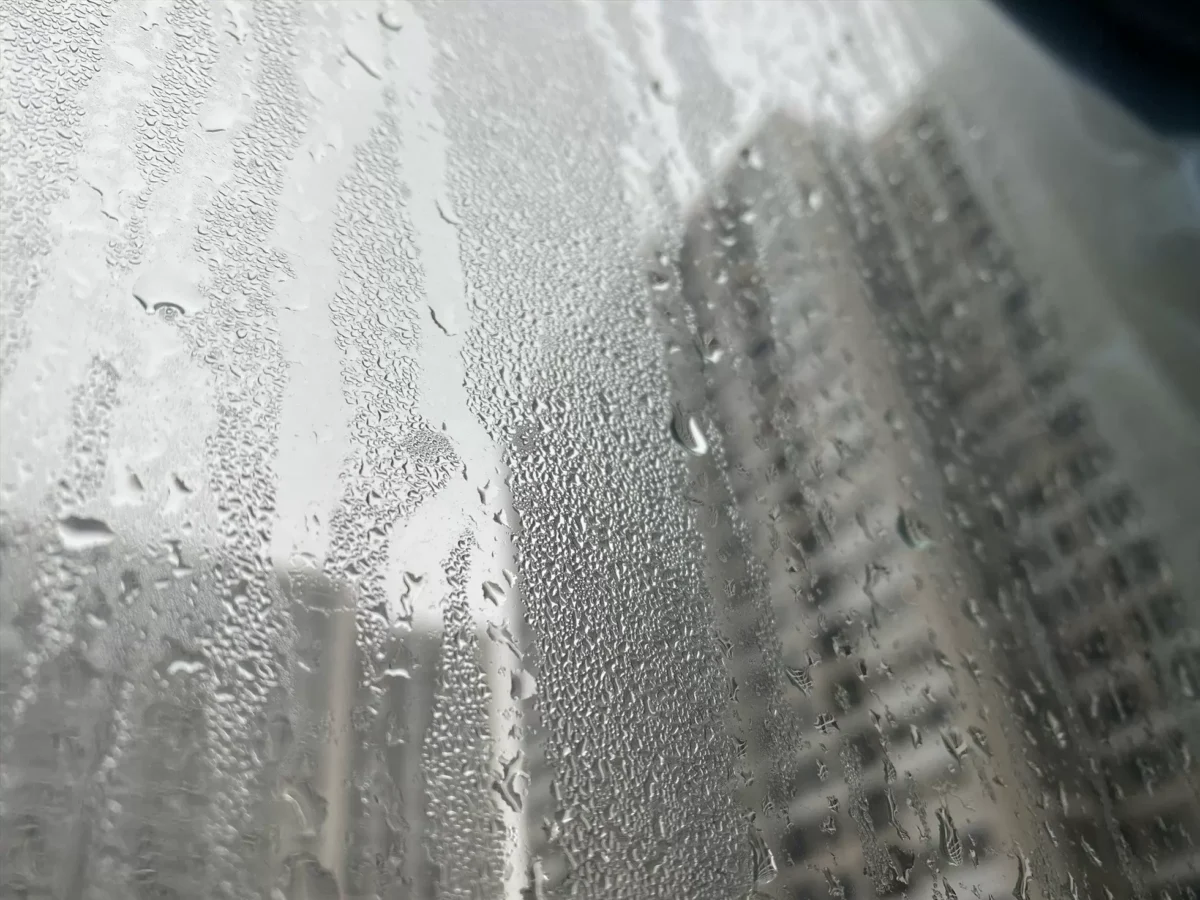
With a humid tropical climate, average humidity up to 85% and rainfall of more than 1,800 mm per year, Hanoi requires construction materials that are heat resistant, moisture resistant and energy efficient. Foam concrete bricks—with densities of 400–1,800 kg/m³ and air ratios of 15–85%—have become an effective solution. This article will analyze the benefits of this material for the capital, based on technical data and real cases.

1. Insulate and Reduce Electricity Costs
The hollow structure of foam concrete creates an effective insulation layer with an R index of up to 3.5 for every 100mm of thickness, far exceeding terracotta bricks (R-0.2) and hollow concrete bricks (R-0.5). A study in Singapore showed that walls made from foam concrete with a density of 500 kg/m³ can reduce air conditioning costs by up to 50%. In Hanoi, this is equivalent to saving 12–18 million VND (500–750 USD) per year for every 100m² of housing area.
Foam concrete has low thermal conductivity (0.08–0.21 W/mK), which helps reduce heat transfer and maintain a more stable indoor temperature. During the 2024 heat wave in Hanoi, a pilot project in Cau Giay district recorded that the temperature inside buildings using foam concrete was 6–8°C lower than those using regular bricks, without needing to increase air conditioning capacity.
2. Waterproof and Prevent Mold
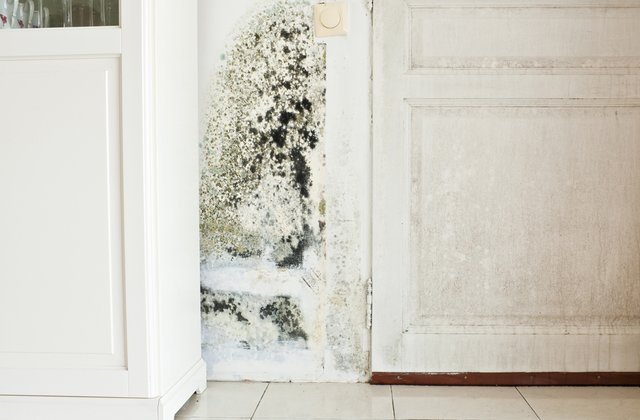
The closed structure of foam concrete reduces water infiltration to less than 10% by volume, significantly lower than the 15–25% of uncoated terracotta tiles. This natural hydrophobicity prevents capillarity, which is essential during the rainy season with an average monthly rainfall of up to 300mm in Hanoi.
In Dong Da district, a 2023 renovation project used 150mm thick foam concrete tiles and completely eliminated mold in an old apartment complex. Humidity sensors after completion showed that the humidity inside the house was stable at 55–60%, a significant decrease from the previous 75–85%.
3. Quick Construction With Light Weight
Foam concrete bricks weigh only 1/4 of solid concrete (1,200 compared to 4,800 kg/m³), helping to speed up construction progress and ensure safety for high-rise buildings. At the Tay Ho building project, foam concrete tiles have brought the following benefits:
• Save Labor: 1,200 bricks can be built per day, compared to 800 regular bricks.
• Reduce Foundation Costs: 30% reduction in steel reinforcement thanks to lighter load.
• Optimal Shipping: Each truck can carry 45% more bricks than terracotta bricks.
This is very consistent with the goals of the Hanoi Urban Plan 2025, helping to accelerate the progress of housing projects in the context of population growth of 2.4% per year.
4. Utilize Resources and Recycle Effectively
Vietnam's cement industry—producing 110 million tons per year—can integrate foam concrete production by utilizing industrial by-products:
• Use of Fly Ash: Replacing 35% of cement with fly ash from Pha Lai factory reduces production costs by 18% and cuts 0.8 tons of CO₂ per 1,000 bricks.
• Waste Recycling: Crushed foam concrete bricks from demolition works can be reused as road base with a recycling rate of 95%.
5. Earthquake Resistance and Structural Stability
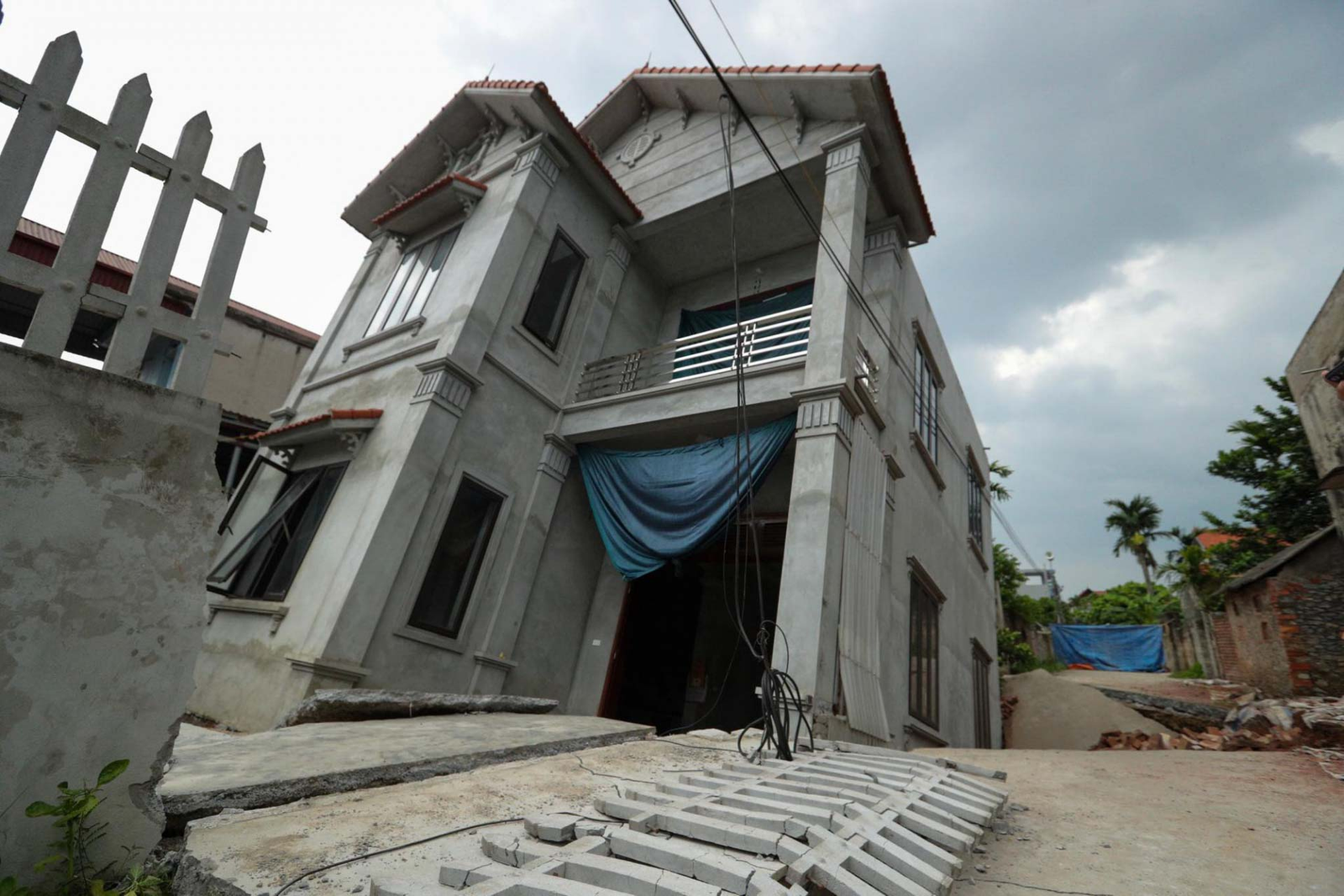
Hanoi is facing the risk of land subsidence (3–5cm per year in Hoan Kiem district) and mild tremors. Foam concrete tiles have a bending resistance (1–3 MPa) that helps absorb small movements without cracking. A study at Hanoi University of Civil Engineering in 2024 demonstrated:
• Load Bearing: Bricks with a density of 1,200 kg/m³ combined with steel mesh can bear the load of 4-storey buildings when experiencing a mild earthquake.
• Subsidence Reduction: Lightweight foundations help reduce pressure on the ground by up to 40% in weak soil areas like Gia Lam.
6. Effective Soundproofing in Crowded Areas
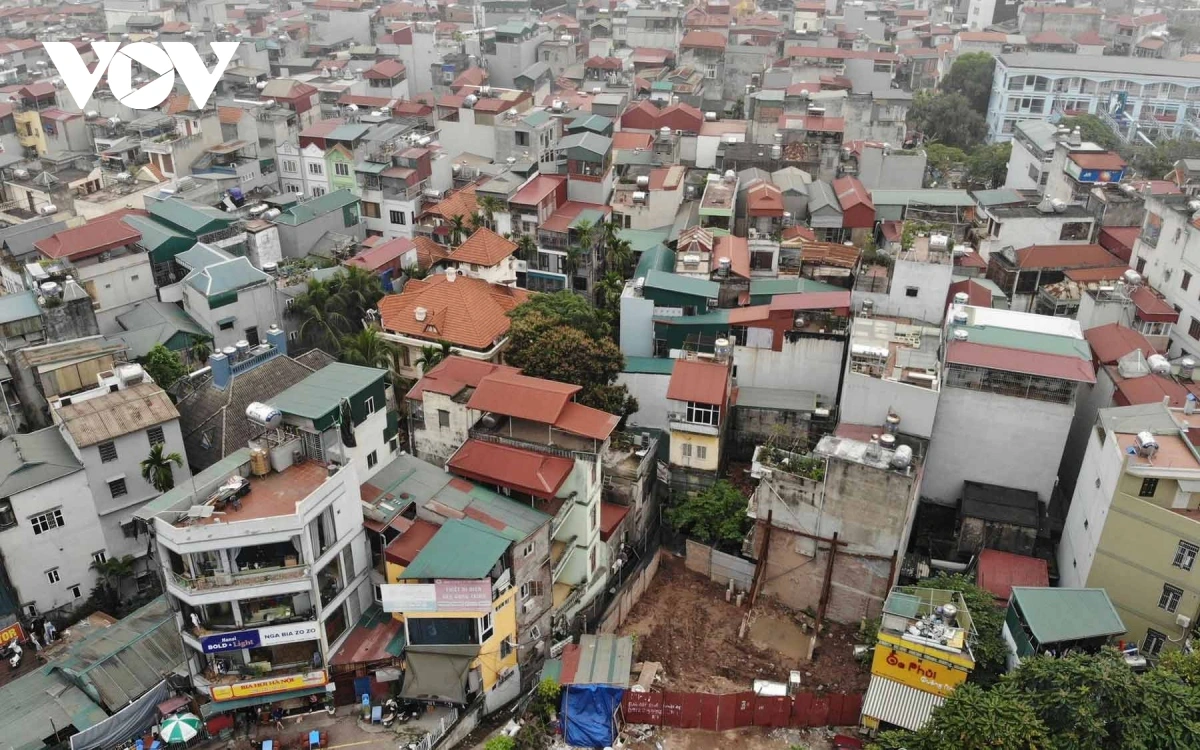
Noise pollution is a big problem in Hanoi, especially near metro projects. Foam concrete tiles have a noise reduction coefficient (NRC) of 0.6–0.8. In Linh Dam urban area, partitions made of 200mm thick foam concrete bricks help reduce traffic noise by up to 22 decibels, outperforming traditional brick walls with mineral wool by up to 15%.
Optimal Solution for Hanoi Urban and Northern Provinces
Foam concrete bricks are the answer to Hanoi's three major challenges—high humidity, extreme temperatures, and rapid urbanization. Benefits such as energy savings (50%), fast construction (30% increase) and recyclability (95%) have proven the effectiveness of this material. Policies to encourage the use of unburned materials according to Hanoi's Draft Decree 15/2025 should prioritize the deployment of foam concrete bricks.
Switching to using foam concrete bricks is not only an environmentally friendly choice, but also a smart economic strategy that helps investors ensure the long-term value of their projects in the face of increasing climate fluctuations.