

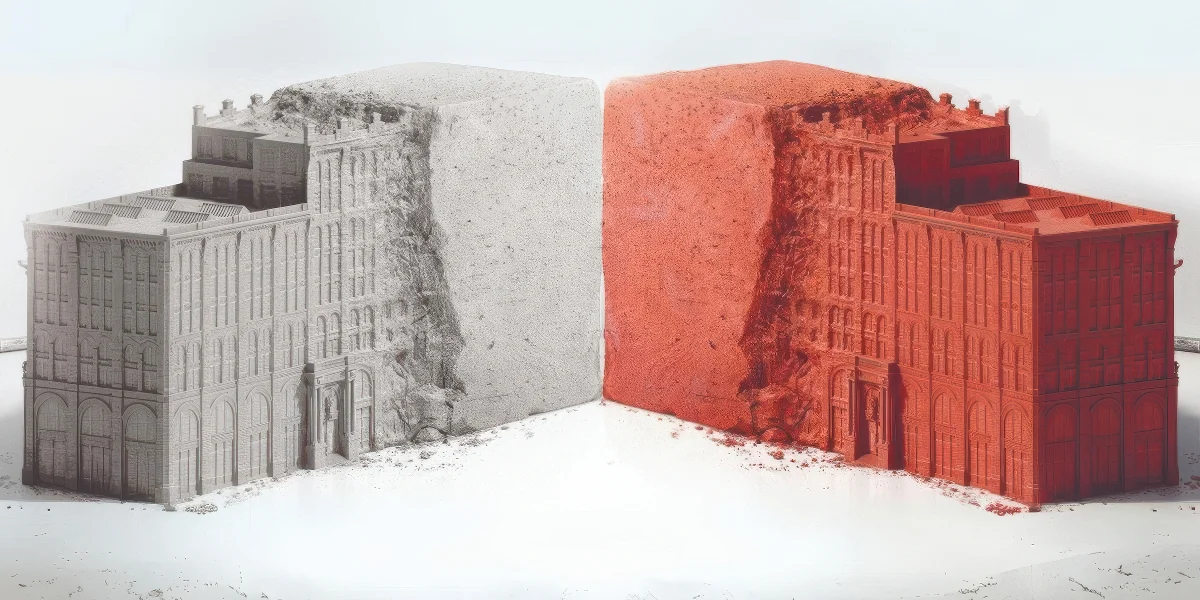
During the construction process, choosing the right material is an important factor that determines the quality and cost of the project. Traditional red bricks and V-lite bricks are two popular materials, each with its own unique characteristics. Below, we will compare in detail to clearly see the differences and benefits that V-lite tiles bring in modern construction.
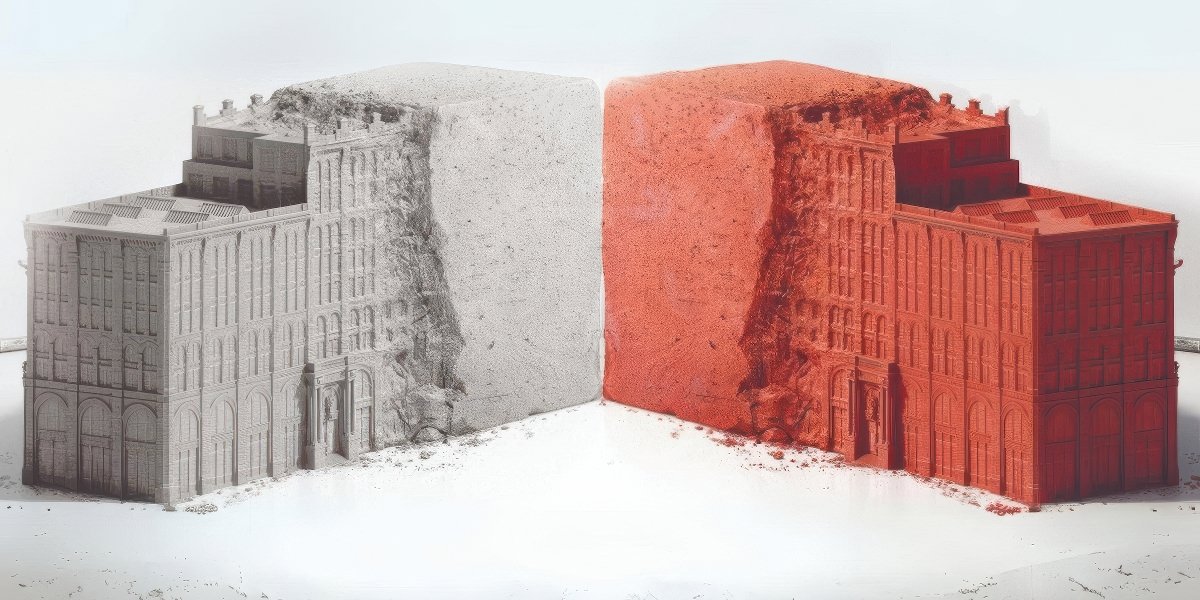
Introduction to Red Bricks
Red bricks, or terracotta bricks, have been around for centuries and are a familiar choice in the construction industry. This type of brick is produced from clay, then fired at high temperature to achieve the desired hardness. However, this production process consumes a lot of energy and causes environmental pollution due to the large amount of CO₂ emissions generated.
In Vietnam, red bricks are still popular thanks to their low price and available raw materials. However, with the development of sustainable construction solutions, red brick is gradually losing its advantage to more advanced options.
V-lite Bricks: A Step Forward in Construction Technology
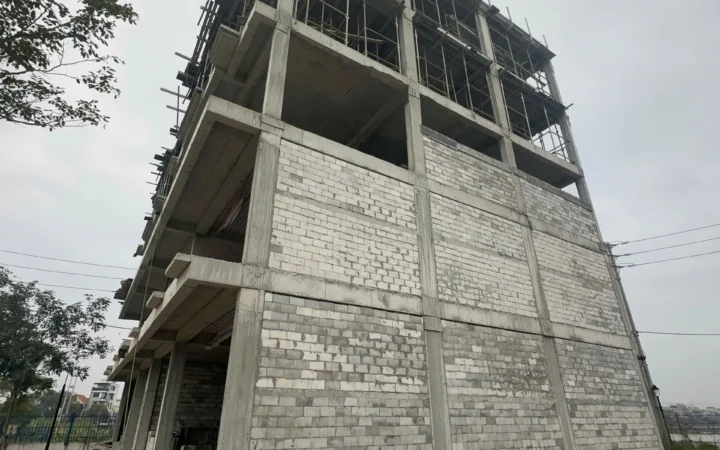
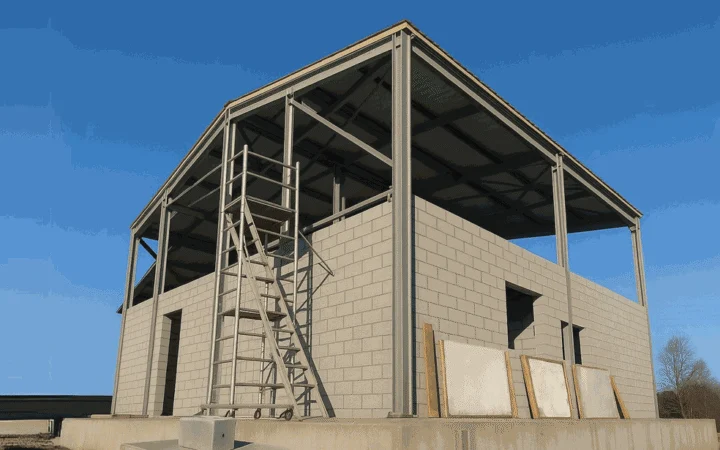
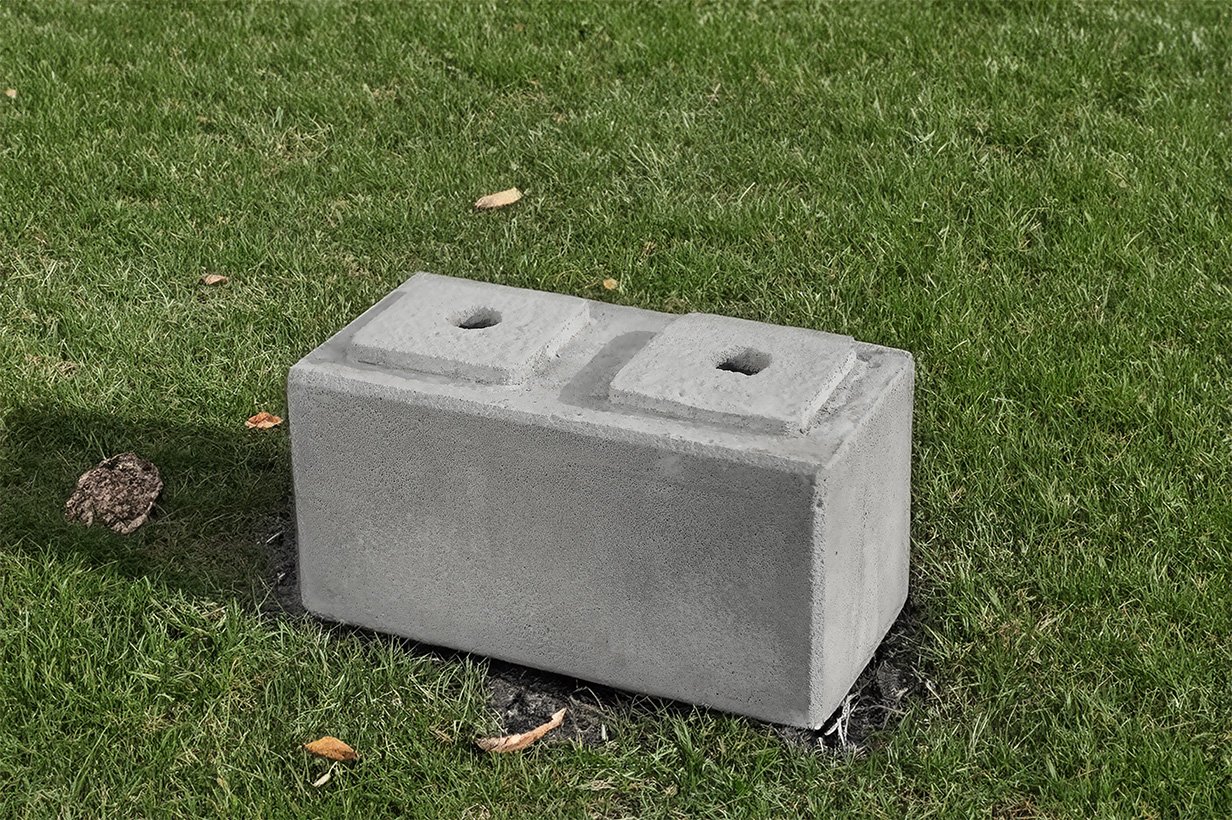
V-lite bricks, a nanotechnology foam concrete product, are designed to meet the needs of sustainable and efficient construction. With light weight, self-locking ability, and outstanding features such as soundproofing and heat insulation, V-lite tiles help reduce construction costs and protect the environment. This is an ideal material for modern buildings, especially high-rise projects and green buildings.
Detailed Comparison Between V-lite Bricks and Red Bricks
1. Bearing Capacity and Durability
• Red brick: Has good bearing capacity, but easily breaks when subjected to great pressure or in a long-term wet environment, causing wall cracks and requiring regular maintenance.
• V-lite bricks: Light but durable, with self-locking design for increased durability. V-lite bricks can withstand incoming loads 7.69 tons, suitable for high-rise buildings and areas with high load-bearing requirements.
2. Construction Costs
• Red brick: Raw material prices are low, but construction takes a long time and consumes mortar, increasing labor costs and total construction costs.
• V-lite bricks: Thanks to the self-locking design and the ability to reduce the amount of mortar by 80%, V-lite tiles are economical 17% of construction costs, significantly reducing construction time and effort.
3. Sound and heat insulation ability
• Red brick: Good thermal insulation but poor sound insulation, not effective in areas with high noise levels.
• V-lite bricks: Outstanding thanks to its closed-cell foam structure, which effectively insulates sound and heat, providing a comfortable and energy-saving living space.
4. Sustainability and Environmental Impact
• Red brick: The production process pollutes the environment and consumes clay resources, which is not consistent with the trend of sustainable development.
• V-lite bricks: Made from foam concrete and recycled materials, helping to reduce CO₂ emissions and protect natural resources.
5. Stability and Waterproofness
• Red brick: Tends to absorb water, leading to wall cracking and reducing the life of the structure.
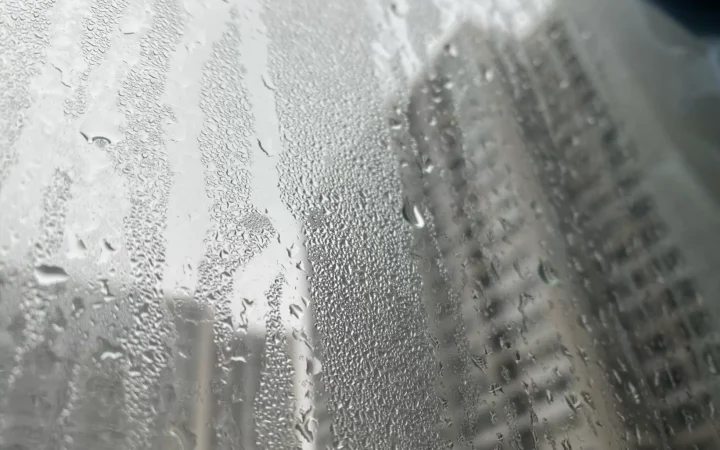
• V-lite bricks: The closed foam structure provides effective waterproofing and anti-corrosion, protecting the building against harsh weather conditions.
Conclude
Both traditional red bricks and V-lite bricks have their own advantages, but V-lite bricks are clearly superior in terms of sustainability, cost-effectiveness and modern construction technology. With energy saving, environmental protection and high durability, V-lite bricks is the optimal choice for green buildings and towards sustainable development.